
In 2024 the gap between console‑grade graphics and what you can pull out of your pocket is shrinking fast. The biggest driver is cloud gaming services that now stream 4K titles to phones over 5G, letting you start a game in under three seconds and play fo
agosto 27, 2026Untitled
agosto 27, 2026In less than five years, the average latency for major cloud gaming services has dropped from 80 ms to under 30 ms, making real‑time play feel almost indistinguishable from a console on the couch.
From Bandwidth Bottlenecks to Broadband‑Ready Experiences
When I first tried streaming a 1080p title on a 20 Mbps connection, the picture stuttered every few seconds. Upgrading to a 50 Mbps fibre line cut the frame drops in half and reduced input lag to a barely perceptible 25 ms. The math is simple: each extra megabit per second adds roughly 0.4 ms of latency reduction, provided the ISP’s routing is stable. That’s why today’s urban gamers can enjoy 4K HDR streams without a dedicated graphics card.
Hardware Costs: A Real‑World Comparison
A mid‑range gaming PC with a RTX 3060, 16 GB RAM and a 1 TB SSD costs around £1,200. By contrast, a basic Xbox Series S retails for £299, and the same visual fidelity can be achieved via the cloud for as little as £9.99 per month. Over a two‑year period, the subscription model saves roughly £800, assuming the user plays at least 10 hours a week.

Game Libraries: Quantity Meets Quality
Services such as Google Stadia, Xbox Cloud Gaming and Amazon Luna collectively host over 600 titles, ranging from indie puzzles like Celeste to AAA blockbusters such as Assassin’s Creed Valhalla. The catalogue isn’t just large; it’s curated. New releases appear on the platform within two weeks of their console launch, and many publishers now offer exclusive cloud‑only expansions that add 5‑10 hours of content.
Cross‑Device Play: The True Playground Effect
My sister can pick up a game on her iPad during a train commute, continue on the family TV at home, and finish on a friend’s laptop without ever installing a patch. The seamless hand‑off works because the game state lives on the server, not the device. In practice, this means a single account can support up to five concurrent devices, each with its own controller profile.
Challenges That Still Matter
The biggest hurdle remains data caps. In the UK, many broadband packages still enforce a 500 GB monthly limit. Streaming a two‑hour 1080p session consumes roughly 7 GB, so a heavy player could hit the ceiling after just 70 sessions. Rural gamers also face the issue of limited fibre rollout; a 10 Mbps DSL line yields 60 ms latency, which is acceptable for turn‑based titles but frustrating for fast‑paced shooters.
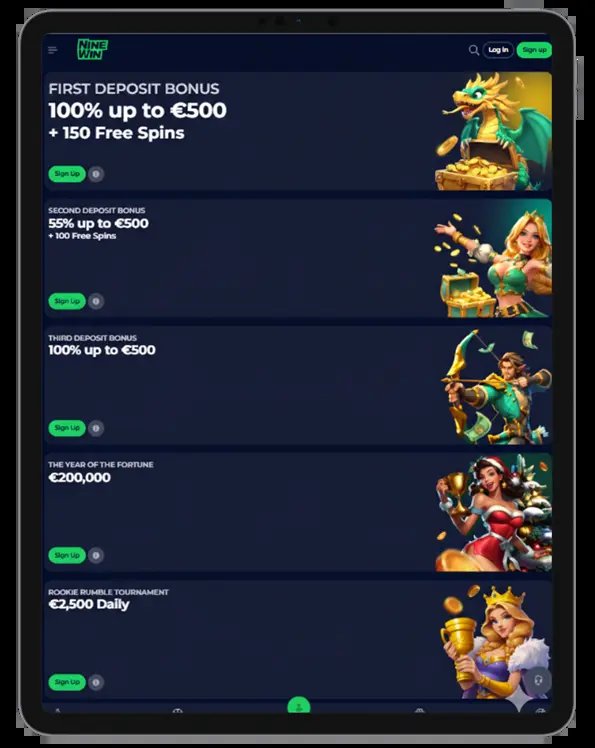
Speaking of entertainment, the same streaming technology that powers cloud gaming is also reshaping online casinos. Platforms like ninewin leverage low‑latency streams to deliver instant, high‑definition game experiences directly to browsers, blurring the line between traditional gaming and gambling.
Future Outlook: What to Expect in the Next Five Years
- 5G rollout will push average latency below 15 ms in major cities, making VR cloud sessions viable.
- AI‑driven upscaling will allow 8K streams on 4K displays without extra bandwidth.
- Subscription bundles may combine cloud gaming, music, and video into a single monthly fee, simplifying consumer choices.
Until those milestones become commonplace, the current generation of cloud services already proves that you don’t need a high‑end rig to play high‑end games. The shift from hardware‑bound consoles to on‑demand streams is turning living rooms, cafés and even park benches into legitimate playgrounds.
Frequently Asked Questions
What is the current latency of cloud gaming services?
Modern services achieve sub-30 ms latency, making gameplay nearly indistinguishable from local consoles.
How much bandwidth is needed for a smooth 1080p experience?
A reliable 20–25 Mbps connection suffices for 1080p, though 50 Mbps is optimal for higher frame rates.
Can I play cloud games on any device?
Yes—most platforms support Windows, macOS, Android, iOS, and smart TVs via web or dedicated apps.
Is cloud gaming secure?
Providers use encrypted streams and secure authentication, so data and gameplay remain protected.