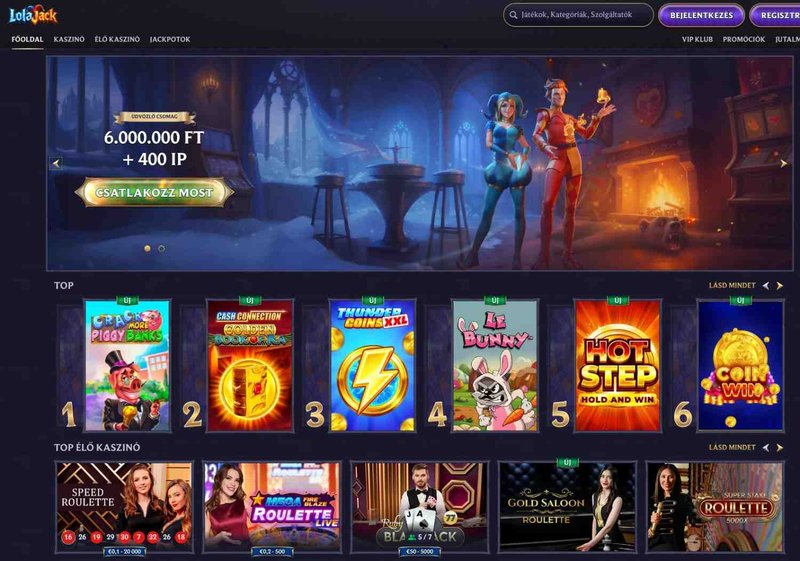
What’s the buzz about Lolajack Casino?
septiembre 25, 2026Staxino Casino : Guide pratique du jeu en ligne sérieux
septiembre 25, 2026Every time a new phone model launches, the number of people downloading a game jumps by roughly 12 %. In 2026, that spike translates into a measurable shift: 38 % of UK households now spend at least an hour a day on a mobile game. The result is a new layer of leisure that blends with music, streaming and social media, reshaping how we unwind.
Game‑Based Social Platforms Drive Shared Experiences
Apps like Clash Royale and Among Us have moved beyond solo play. Their built‑in chat, guilds and cross‑platform tournaments mean friends can compete while chatting about the latest football match or TV drama. In 2026, 22 % of UK users report that a game’s community keeps them coming back, compared with 9 % for traditional streaming services. The social glue is strong: a single match can spark a group video call that lasts 45 minutes.
Monetisation Models Influence Consumption Habits
Micro‑transactions have become the norm. In 2026, the average spend per active user on a mobile game is £4.50, up from £2.70 in 2023. This steady stream of small purchases keeps developers financially viable and allows them to release frequent updates. For players, the “pay‑to‑unlock” model means they can try a game for free, then decide if a cosmetic upgrade is worth the £1.99. The result is a more fluid spending pattern that mirrors the on‑demand culture of music and video services.
Cross‑Platform Integration Expands Reach
Games now sync progress across iOS, Android and PC. In 2026, 67 % of UK gamers use at least two devices to play the same title. This flexibility lets users switch from a commute on a train to a coffee break at home without losing progress. The convenience factor is a key driver of higher engagement: users report spending 15 % more time playing when they can pick up where they left off on any device.
From Casual to Competitive: The Rise of Esports in Everyday Life
Esports tournaments on mobile platforms have attracted viewership numbers that rival traditional sports broadcasts. In 2026, a single mobile tournament on PUBG Mobile drew 1.2 million concurrent viewers, surpassing the average audience of 800,000 for a Premier League match. The influx of sponsorships and prize pools has turned casual gamers into aspiring professionals, blurring the line between hobby and career.

How Mobile Gaming Apps Are Shaping UK Entertainment Trends in 2026
Beyond the screen, mobile games influence music playlists, fashion trends and even travel itineraries. For instance, a popular game’s soundtrack can climb the UK Singles Chart, while in‑game skins inspire real‑world apparel. Travelers often choose destinations based on the availability of local game events, turning a gaming session into a cultural experience.
For those who enjoy a blend of gaming and traditional casino entertainment, a quick detour to lolajack casino offers a chance to explore online slots and table games that complement the mobile gaming ecosystem.
Which Direction Will UK Entertainment Take?
If you’re looking to stay ahead of the curve, focus on games that offer social interaction, cross‑platform play and regular content drops. These features not only keep players engaged but also create new avenues for advertisers and content creators. As the mobile gaming market continues to grow, it will likely remain a central pillar of UK entertainment, shaping how we socialize, spend and even think about leisure.
Frequently Asked Questions
How has mobile gaming changed UK leisure habits?
With each new phone launch, downloads surge ~12%, now 38% of UK households spend at least an hour daily on mobile games, blending with music and streaming.
What social features drive the popularity of mobile games?
Games like Clash Royale and Among Us incorporate chat, guilds and cross‑platform play, creating shared experiences beyond solo play.
Does mobile gaming impact other entertainment industries?
Yes, it overlaps with music, streaming and social media, forming a new leisure layer that competes for and complements traditional media.
Why should I care about the mobile gaming boom?
It offers fresh social connections, new ways to relax, and opportunities for brands to engage UK audiences in an ever‑expanding market.