
Online versus offline gambling which offers better odds
abril 17, 2026Procházka Světem Online Hazardu: Průvodce pro Začátečníky v České Republice
abril 17, 2026Exploring the cultural nuances of gambling attitudes worldwide
Historical Perspectives on Gambling
Gambling has been a part of human culture for centuries, evolving from ancient rituals and practices to modern-day gaming. Historically, various cultures have engaged in gambling for entertainment, religious purposes, and social interaction. Ancient civilizations, such as the Greeks and Romans, integrated dice games into their societal fabric, viewing them as methods for divination and fate determination. The historical backdrop demonstrates that gambling was not merely an amusement but a significant cultural activity. For those interested, you can explore more at https://westacee.com/.
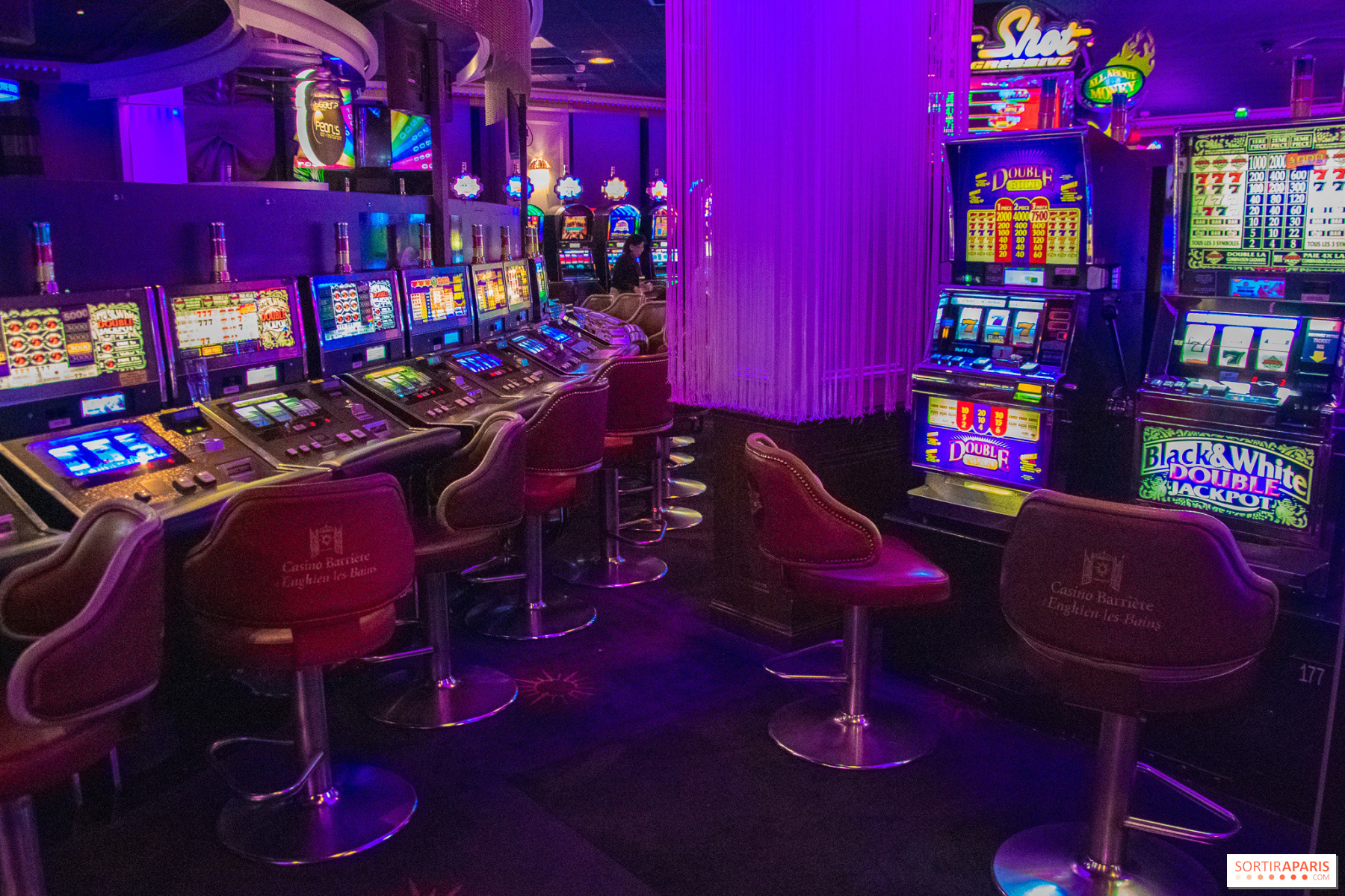
As time progressed, gambling practices transformed, reflecting the sociopolitical climates of different regions. In Europe during the Middle Ages, for example, gambling was often stigmatized and linked to vice. However, the Renaissance brought about a resurgence, with more structured games and betting systems emerging. This shift showcased the gradual acceptance of gambling as a form of recreation, laying the groundwork for modern casinos and betting houses.
The historical evolution of gambling reveals varying degrees of acceptance across cultures. While some societies embraced it, others condemned it due to religious or moral beliefs. This dichotomy has influenced contemporary gambling laws and practices, illustrating how historical attitudes continue to shape present-day views on gambling. Understanding these historical nuances allows for a deeper appreciation of current gambling cultures worldwide.
Regional Attitudes Toward Gambling
Regional attitudes toward gambling vary significantly across the globe, influenced by cultural, legal, and religious factors. In countries like the United States, gambling is a multi-billion-dollar industry, with states adopting varying laws and regulations that reflect local attitudes. For instance, Las Vegas has become synonymous with gambling, creating a cultural hub where entertainment and betting thrive. The acceptance in this region contrasts sharply with states that impose strict regulations, showcasing the diverse perspectives on gambling within one nation.
In Asia, gambling attitudes can also diverge dramatically. For example, in China, gambling is deeply embedded in tradition, particularly during festivals like the Lunar New Year when families engage in games of chance as part of their celebrations. However, in countries like Japan, gambling is heavily regulated, with specific forms of betting permitted while others are strictly prohibited. This complexity highlights how deeply cultural values and historical contexts shape gambling perceptions.
Europe presents yet another landscape of gambling attitudes. The UK, for instance, boasts a liberal gambling environment, where online betting and casinos flourish under well-established regulations. In contrast, countries like Sweden have historically taken a more conservative approach, emphasizing responsible gaming and limiting access to gambling facilities. These regional variances not only impact the gambling industry but also influence societal attitudes towards risk and chance.
Religious Influences on Gambling Attitudes
Religion plays a pivotal role in shaping gambling attitudes across cultures, often dictating societal norms and regulations. In predominantly Islamic countries, for instance, gambling is largely forbidden as it contradicts religious teachings regarding risk and chance. This prohibition reflects broader values related to morality and financial responsibility, leading to strict penalties for those who engage in gambling activities.
Conversely, in Christian-majority societies, attitudes toward gambling can be more lenient, though still influenced by differing interpretations of scripture. Some Christian denominations view gambling as sinful, while others accept it as a form of entertainment, particularly when it serves charitable purposes. This divergence illustrates how religious beliefs can create a spectrum of acceptance surrounding gambling practices.
In addition to direct teachings, religious festivals often include games of chance, indicating a complex relationship between faith and gambling. For example, during various holidays, communities may engage in lottery-style activities for fundraising, blending tradition with enjoyment. These practices demonstrate that while religions may oppose gambling at a philosophical level, cultural adaptations can still lead to its integration into social festivities.
Modern Trends in Gambling Culture
As technology evolves, so do the methods and perceptions surrounding gambling. The rise of online casinos and mobile betting applications has transformed how people engage with gambling. This shift not only makes gambling more accessible but also normalizes it as part of daily life for many individuals. In regions where online gaming is legalized, a substantial increase in participation has been observed, reflecting a changing cultural landscape that embraces technology.
The emergence of esports betting is another modern trend that captures a younger demographic. Many countries are now recognizing the legitimacy of esports as a competitive platform, leading to the integration of betting markets. This phenomenon illustrates how gambling culture adapts to societal changes, appealing to diverse audiences and interests. It raises questions about the future of gambling as it becomes intertwined with digital entertainment.
Furthermore, modern trends emphasize responsible gambling practices and mental health awareness. Many jurisdictions are implementing measures to promote safe gambling and mitigate addiction. Campaigns aimed at educating the public about the risks associated with gambling reflect a growing acknowledgment of its potential societal impact. Such initiatives illustrate a more mature understanding of gambling as not merely a recreational activity but also a significant social responsibility.

WestAce Casino: A Gateway to Global Gambling Experiences
WestAce Casino epitomizes the modern gambling landscape, offering a comprehensive platform for enthusiasts worldwide. With an impressive selection of over 3,000 games, including slots, table games, and live dealer options, it caters to diverse preferences and provides a glimpse into various gambling cultures. This platform allows players to explore international games and practices, all from the comfort of their homes.
The user-friendly design and support for multiple payment methods, including cryptocurrencies, ensure that players enjoy seamless transactions and an engaging experience. Such convenience makes it easier for individuals to participate in gambling, reflecting the accessibility trends seen globally. WestAce Casino’s commitment to 24/7 customer support further enhances user satisfaction, illustrating the importance of service in fostering a positive gambling environment.
Moreover, WestAce Casino promotes responsible gaming, aligning with modern trends that prioritize player safety and well-being. By offering resources and support, the platform encourages responsible participation in gambling activities. This dedication not only enriches the player experience but also contributes to a healthier gambling culture, emphasizing the balance between enjoyment and responsibility in the ever-evolving world of gambling.
