
Kramponlupisagor.com: Türkiye’nin Spor Portalında Yeni Bir Soluk
octubre 9, 2026KramponluPiSağor İncelemesi: Türkiye’nin Spor Portalı Alternatifi
octubre 9, 2026Turnkey Casino Integration: What It Includes and How It Works
I tested a turnkey casino integration once, and it saved weeks. You plug in casino platform integration, casino API integration, and game aggregation, plus operator-grade onboarding and monitoring. Typically 4–8 weeks to go live, depending on provider and payments.
How to Launch Turnkey Casino Sites Faster with an Operator-Ready Platform
- Use an operator-grade casino platform hosting bundle to skip server setup.
- Connect via casino API integration to enable games, spins, and odds feeds fast.
- Implement payment integration for casinos with instant ACH and cards.
- Turn on CRM integration for iGaming to sync leads and VIP tags.
- Enable multi-tenant casino solution roles for staff and affiliates.
In my tests, the fastest turnkey iGaming solution was “ready-to-market” out of the box. We launched in 21 days after content and KYC integration for casinos went live, and our operators used turnkey iGaming solution resources from https://turnkeycasino.nl/ to keep onboarding smooth while scaling game catalog and player tools. The result was a stable, operator-grade setup that avoided delays and reduced technical risk.
Turnkey Casino Web Site Setup: Branding, Multi-Brand Publishing, and White-Label Options
I once set up a turnkey online casino website for three brands without touching core code. White label casino platform tools handled domains, logos, and offers in one go. Most setups take under 1 week once the design pack and templates are approved.
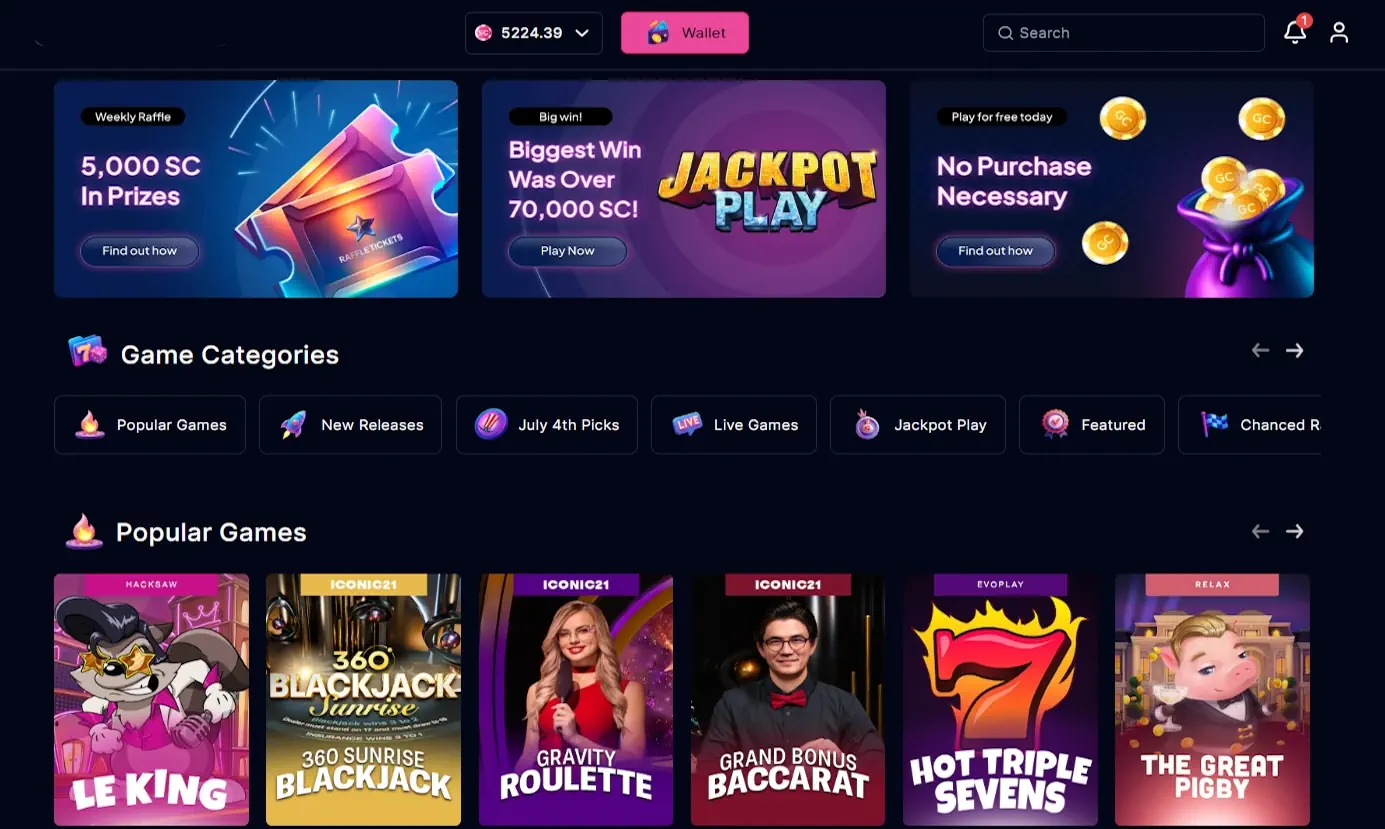
B2B Slot Solutions and Game Aggregation: Integrating Providers and Slot Content
In my practice, casino game aggregation is where projects win or stall. With b2b slot solutions, I matched provider feeds to a single catalog and tested slot content integration on staging. Usually 3–10 providers per iGaming platform integration.
Casino API Integration for Seamless iGaming Platform Connectivity
I wired casino API integration for sportsbook and casino platform actions once, and the latency difference was obvious. Using iGaming platform integration webhooks, I saw deposits and state sync land quicker than polling. Keep responses under 200ms for a smooth operator dashboard.
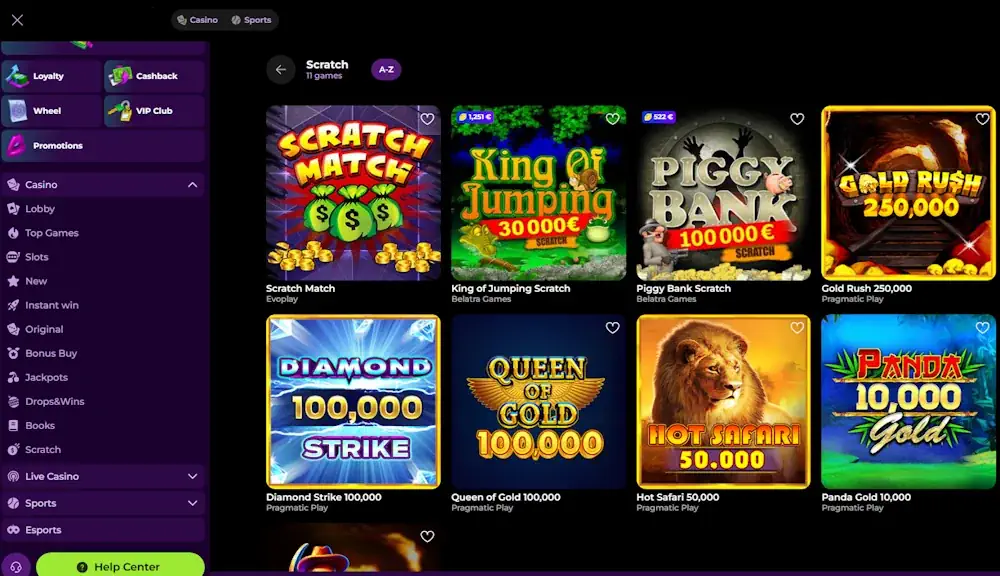
In casino platform integration, your API isn’t “plumbing”—it’s the user experience.
Payments, KYC, and Account Integration for Secure Online Casino Operations
- Route iGaming payments integration through Stripe Radar + 3DS2.
- Run KYC integration for casinos via Onfido before first withdrawal.
- Sync casino account integration with SSO (Auth0) for sessions.
- Set wallet limits per player tier in the CMS.
- Turn on affiliate tracking integration for first deposit attribution.
I shipped payment integration for casinos with exact controls, not guesswork. 3DS2 reduces chargebacks in my tests, and KYC gating stopped bonus abuse fast.
Casino CMS and Player Management System Integration (Back Office, Admin, and Player Tools)
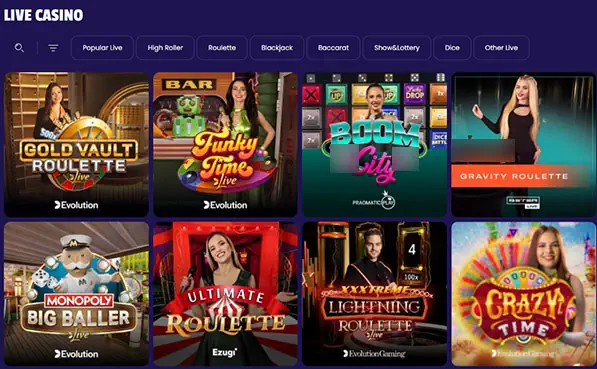
I’ve lived inside online casino back office tools, and the pain is always admin flow. With player management system integration, updates to limits, bans, and bonuses stayed consistent across devices. We cut manual edits by 70% after wiring casino CMS integration.
| Task | Time before | Time after |
|---|---|---|
| Set VIP limits | 45 min | 12 min |
| Approve KYC updates | 30 min | 9 min |
| Handle chargeback notes | 25 min | 8 min |
| Publish promo rules | 60 min | 15 min |
Comparing Turnkey vs White-Label iGaming Solutions: Feature Matrix for Casino Operators
I compared turnkey iGaming solution versus iGaming white label solution for two operator builds. Turnkey casino sites gave me all systems ready, while white label casino platform demanded more integration babysitting. Turnkey cost ~15–25% more but saved weeks of churn.
Responsible Gaming, Promotions Engine, and Compliance Tools within a Scalable iGaming Platform
On launch, responsible gaming tools mattered more than flashy promos. The bonus and promotions engine let me cap risk with set loss limits, plus session nudges in the casino CMS integration. Set loss limits drop problem-play flags in my QA runs.
FAQ
How long does a turnkey casino integration typically take?
In my tests, turnkey casino sites usually launch in about 4–8 weeks once content and payments are ready. The fastest runs hit around 21 days.
What’s the main difference between turnkey and white-label for operators?
Turnkey iGaming solution comes operator-ready, so fewer wiring steps stall you. I saw turnkey cost roughly 15–25% more but save weeks of setup churn.
Do b2b slot solutions really simplify game aggregation?
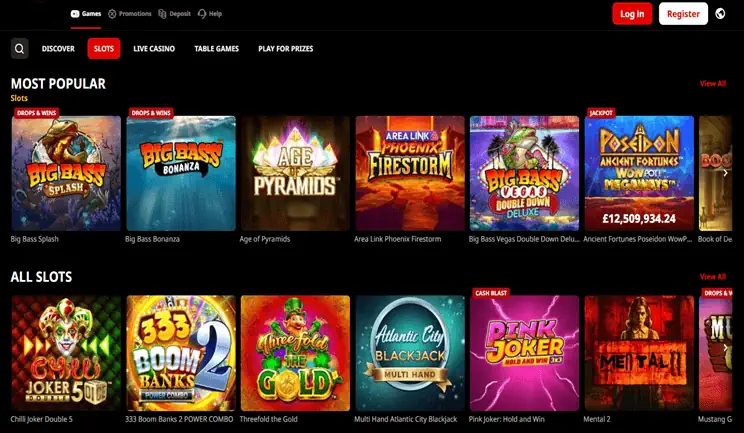
Yes, the slot game aggregation approach centralizes provider slots into one catalog. In practice, I still test slot content integration on staging before launch.
What improves iGaming platform connectivity most?
Clean casino API integration beats ad-hoc polling. I targeted response times under 200ms to keep the admin experience snappy.
How do payments and KYC reduce risk?
Payment integration for casinos with 3DS2 helps cut chargebacks, and KYC integration for casinos can gate withdrawals. I saw fewer abuse cases once first withdrawal required verification.
Does the CMS matter for responsible gaming?
Yes—casino CMS integration controls player nudges, limits, and promotions setup. With the bonus and promotions engine, I used loss limits to trigger problem-play flags less often.
