
【お知らせ】欧州経済領域(eea)およびイギリスからご利用のお客様へ Yahoo! Japan
junio 18, 2026The Evolution of Spinning Reels
junio 18, 2026The Best Online Slot Games for Massive Jackpots and Nonstop Action
Slot games are the ultimate test of luck and thrill, with every spin offering the chance to trigger massive payouts. By simply selecting your bet and hitting the spin button, reels filled with symbols like fruits, sevens, or wilds align to create instant wins or unlock free spin rounds. Their simple yet electrifying gameplay delivers endless entertainment without requiring skill or strategy, making each session a pure adrenaline rush. Whether you chase jackpots or just enjoy the flashing lights and sound effects, slot games provide nonstop excitement at your fingertips.
The Evolution of Spinning Reels
The heart of the slot game, the spinning reel, has evolved from clunky metal drums to slick digital strips, but the core thrill remains. Early machines used physical reels with fixed stops, limiting symbol layouts and forcing rigid paylines. Modern software now simulates virtual reels with 399bet weighted stops, allowing for far more symbols per reel and dynamic play mechanics like cascading wins. This evolution directly impacts you by enabling massive symbol grids and unusual layouts, such as rows that mimic a honeycomb.
The biggest shift is that today’s spinning reels can land symbols in ways that were physically impossible on old mechanical wheels, unlocking wilder bonus features and bigger potential wins.
Ultimately, while the visual effect of a spin stays familiar, the software behind it gives game designers complete freedom to craft unique, responsive slot experiences.
From Mechanical One-Armed Bandits to Digital Icons
The shift from mechanical one-armed bandits to digital icons fundamentally redefined player interaction. Originally, physical reels stopped based on metal teeth and springs, with wins determined by visible symbols like cherries and bells. Modern digital icons retain these visual motifs but operate through Random Number Generators, eliminating physical friction. The mechanical lever, once a literal necessity to spin the reel, now serves as a nostalgic trigger for a digital command. This transition allowed for complex video animations, cascading reels, and interactive bonus rounds that were impossible with spinning metal drums. Crucial for players is understanding that the core concept of a «spin» remains, but the digital random number generator now dictates the outcome, not the physical position of a notched wheel.

The Rise of Video-Based Play in the 1990s
The 1990s marked a pivotal shift with the rise of video-based play, replacing purely mechanical spinning reels with simulated digital animations on screens. This allowed software to govern reel outcomes, enabling complex payline structures beyond the single center line of physical slots. Players interacted with a monitor showing reel symbols, often accompanied by simple animations on winning spins. The interface became more intuitive, with touch-sensitive buttons for bet adjustments and spin initiation. Why did video slots feel different from mechanical ones? Because they replaced physical reel inertia with random number generator logic, freeing developers from the constraints of metal stops and springs, thus allowing more frequent small wins and varied symbol mapping.
Mobile-First Design and Touchscreen Interaction
Modern slot games now prioritize mobile-first design, reshaping the spinning reel mechanic for touchscreens. This approach condenses the play area, positioning the spin button within a thumb’s natural reach on smaller displays. Touchscreen interaction replaces physical levers with a simple tap or swipe to set reels in motion. A clear sequence governs this optimized experience:
- You tap the responsive spin button, which provides haptic or visual feedback.
- The reels animate with precisely scaled graphics that avoid mis-taps.
- You swipe to adjust bet settings or trigger autoplay, with the interface adapting instantly to finger gestures.
Every element—from reel size to button placement—is engineered for fluid, one-handed control, ensuring the classic slot action feels intuitive on any screen.
Core Mechanics That Drive Player Engagement
The core mechanics driving player engagement in slot games center on variable ratio reinforcement and the illusion of near-misses. By pairing unpredictable rewards with tightly calibrated paytables, developers create a dopamine loop where each spin feels like a distinct opportunity. Features like cascading reels or hold-and-spin bonus rounds introduce brief skill-based decisions within a luck-based framework, sustaining attention through «what-if» scenarios.
Engagement peaks when the player perceives partial agency, even if the house edge remains mathematically unchanged.
Multi-level progressive bonuses further exploit this by breaking the core gameplay into micro-sessions, each with its own reset point. Ultimately, the mechanic of «loss disguised as a win»—paying slightly less than the bet while triggering celebratory animation—prolongs session length by tricking pattern recognition systems into chasing a positive reinforcement cycle that cannot logically resolve.

Random Number Generators and Fair Play Basics
At the core of every spin lies the Random Number Generator (RNG), a complex algorithm producing thousands of numbers per second to ensure each outcome is completely independent of the last. This pseudorandom system guarantees that no pattern or player history influences results, creating a baseline of fair play. When you hit the button, the RNG instantly stops on a number corresponding to a reel position, making every result isolated and unpredictable. Understanding this basic mechanics helps players trust that wins and losses are purely chance-driven, not manipulated by past spins or external factors.
An RNG ensures each slot outcome is random and independent, forming the essential foundation of fair play.
Paylines vs. Cluster Pays: Key Structural Differences
Paylines require matching symbols to land on predefined, fixed lines across the reels, paying only for left-to-right sequences. Cluster Pays mechanics instead reward any group of adjacent symbols, typically five or more touching vertically or horizontally, forming a cluster. This structural difference shifts engagement from betting on specific lines to dense symbol distributions, creating explosive chain reactions when winning clusters are removed and new symbols drop. Players must adapt from scanning for line patterns to recognizing potential cluster growth zones. The cluster payout dynamic fundamentally alters volatility, as wins can snowball unpredictably from a single spin, whereas paylines offer more predictable, linear returns per active line.
| Aspect | Paylines | Cluster Pays |
|---|---|---|
| Win Condition | Symbols on fixed, predetermined lines | Adjacent symbols touching (grid-based) |
| Payout Trigger | Left-to-right sequences per line | Any contiguous group (4+ symbols) |
| Symbol Removal | No automatic cascade (manual respin) | Cluster explodes, new drops fill gaps |
| Player Focus | Line configurations and bet per line | Symbol density and cluster expansion |
Volatility Levels: Balancing Risk and Reward
Volatility levels define the risk-to-reward spectrum within a slot, dictating the frequency and size of payouts. Low volatility delivers frequent, smaller wins to extend play, while high volatility offers rare but substantial payouts for patient players seeking larger multipliers. Balancing risk and reward requires aligning volatility with your bankroll and session goals: choose low volatility for stable gameplay, or high volatility for major jackpot potential. This balance fundamentally shapes your engagement, as each spin’s outcome is governed by that pre-set volatility profile.
Q: How does volatility directly impact my risk versus reward?
A: Volatility determines the statistical distribution of wins; low volatility provides consistent small rewards with lower risk, whereas high volatility subjects you to longer dry spells but yields significantly larger payouts when a win triggers.
The Art of Theme and Visual Storytelling
In slot games, the art of theme and visual storytelling transforms spinning reels into immersive narrative arcs. Every symbol, from a cracked compass to a glowing rune, must carry the weight of the world you’ve built. A haunted mansion theme loses its spell if the background is a static cobweb—it needs animated flickering candles and a shadow that shifts as the reels stop. The real trick is pacing: the win animation shouldn’t just flash coins; it should feel like the protagonist finally unlocks the treasure chest after a chase.
A slot’s visual story is told in the micro-moment between the last reel stopping and the payout line igniting—that pause must whisper «why» the player won, not just «how much.»
The palette, the symbol transformations, even the reel frame itself, all serve that single, silent plot.
Popular Cultural References in Modern Reel Design
Modern reel design frequently leverages popular cultural references, from blockbuster films and iconic TV series to nostalgic video games and music legends, to create immediate visual connection. This approach uses recognizable characters, settings, and symbols as thematic anchors, allowing players to engage with familiar stories through spin mechanics. Designs often replicate specific art styles, such as pixelated graphics for retro gaming themes or cinematic cinematography for movie adaptations, ensuring the slot feels like an extension of the source material. This strategy enhances immersion by weaving thematic reel symbols with audio cues and animated sequences tied directly to the cultural property, making each spin a narrative callback.
Popular Cultural References in Modern Reel Design: Uses familiar characters and styles from films, TV, and games to build instant thematic immersion and narrative connection through every spin.
Mythology, Adventure, and Fantasy Worlds as Backdrops
Mythology, adventure, and fantasy worlds turn slot games into epic journeys. Instead of spinning fruit, you’re exploring Norse realms, Egyptian tombs, or enchanted forests. These backdrops use immersive fantasy storytelling to hook players from the first spin. Here’s how they build the experience:
- Rich landscapes (like glowing caves or stormy seas) set the stage for quests, making every spin feel like a step in a legend.
- Symbols such as gods, magic artifacts, or mythical creatures replace standard icons, tying directly into the theme’s lore.
- Bonus rounds often mimic adventures—unlocking treasure, battling dragons, or solving riddles—so the backdrop drives both visuals and gameplay.
Audio Cues and Animation That Heighten Anticipation
In slot games, anticipation-building animations exploit the gap between the final reel stop and the outcome reveal. Cascading symbols trigger a slow-motion camera zoom, while audio cues like a rising pitch or a brief drum roll heighten the tension. A near-miss animation—where two winning symbols align and the third one «bounces» into place—uses a sharp click followed by a descending tone to signal almost-winning. This precise pairing of visual delay and sound directs the player’s focus, making the eventual win or loss feel more dramatic. Q: How do audio cues and animation create anticipation without revealing the result? A: By extending the reel-stop sequence with delayed, high-contrast visuals (like pulsing borders) and a withheld sound effect until the final symbol lands, the player’s uncertainty is stretched just long enough to engage their emotional response.
Special Features That Boost Excitement
Modern slot games ignite excitement through mechanics like expanding wilds, which fill entire reels to create instant wins, and multi-level bonus rounds that unlock escalating prizes. A cascading reels feature, where winning symbols vanish to allow new ones to drop, can chain multiple payouts from a single spin. Scatter-triggered free spins often include persistent multipliers that grow with each successive win, dramatically shifting the game’s momentum. These features transform base gameplay into a dynamic experience where each spin holds the tangible potential for a sudden, significant reward.
Wild Symbols and Their Multiplying Variants
Wild symbols serve as versatile substitutes, often replacing missing payline icons to complete winning combinations. Their multiplying variants elevate this mechanic by applying a fixed multiplier, such as x2 or x3, directly to any win they help form. This applies globally, whether the wild appears singly or as part of a stacked cluster. Crucially, these multipliers stack when multiple wilds participate in a single payline, exponentially boosting payout potential. Mastering multiplying wild symbol interactions is key for evaluating a slot’s volatility and maximum return.
- Stacked multiplier wilds can cover entire reels, triggering cascading payout boosts.
- Sticky multiplier wilds lock in place for several spins, preserving their power across rounds.
- Multiplier values often increase when wilds land on consecutive reels in a single spin.
Scatter Triggers for Free Round Activations
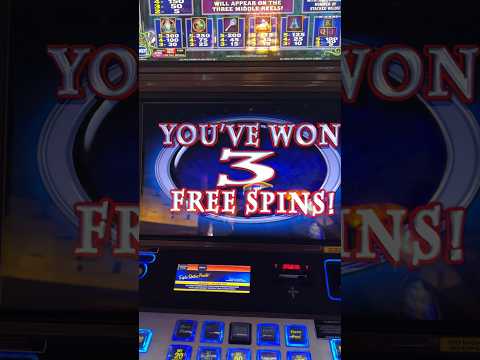
Scatter triggers for free round activations operate on a core logic of symbol independence from paylines. Unlike standard matching symbols that must land on a specific line, Scatters can appear anywhere on the reels, making them uniquely accessible. The activation sequence often follows a clear progression:
- Land three or more Scatter symbols anywhere on the screen.
- The system calculates a multiplier based on the number of Scatters hit (e.g., 3x, 5x, 10x).
- The scatter trigger for free round activation then grants a fixed number of spins, typically between 8 and 15, without additional stake deduction.
This mechanics ensures that every spin carries a probabilistic path to a bonus state, directly heightening anticipation during base gameplay.
Bonus Mini-Games and Pick-and-Click Mechanics
Bonus mini-games break the spinning monotony by plunging you into interactive challenges, often triggered by specific scatter symbols. Pick-and-click mechanics amplify this excitement, presenting a grid of hidden objects—treasure chests, artifacts, or monster tokens—that reveal instant multipliers, free spins, or jackpot fragments. Each selection carries the tension of a gamble, where a wrong pick might end the round or slash your potential haul. These features transform passive replays into strategic decisions, as players hunt for the highest-value prizes or bonus rounds hidden behind mysterious slots, ensuring every click feels consequential.
Progressive Jackpots and High-Stakes Appeal
Progressive jackpots in slot games create a unique high-stakes appeal by pooling a tiny fraction of every bet across a network or single game, causing the prize to climb until someone wins. This turns a routine spin into a potential life-changer, with the tension escalating as the jackpot meter grows. Q: Is chasing a progressive jackpot worth the higher bet requirements? A: It can be, since only max-bet spins typically qualify for the full prize, but always set a strict budget because the odds remain astronomical. The thrill lies in that small window where a single spin might trigger a massive payout, which is why players accept the elevated risk for the shot at a sum far beyond standard slot payouts.
How Linked Prize Pools Grow Across Networks
In networked slot systems, a portion of each wager placed on any connected machine feeds a shared meter, causing the jackpot to climb incrementally across the entire network. This aggregated contribution means that network-wide betting volume directly accelerates prize growth, with larger pools of machines generating faster increases. Even low-stakes spins from hundreds of terminals collectively add significant value to the single pool over time. Q: How do linked prize pools grow across networks without requiring higher individual bets? A: By pooling tiny fractions from every wager on all connected machines, the collective action creates a rapidly expanding jackpot that the house does not fund from its own reserves.
Mega, Major, and Minor Tier Structures Explained
In progressive jackpot slots, the Mega, Major, and Minor tier structure creates a layered reward system that balances accessibility with life-changing prizes. The Mega tier offers the highest payout but is the rarest to trigger, often requiring maximum bets. The Major tier provides a substantial mid-range prize that hits more frequently, while the Minor tier awards smaller, consistent wins to maintain engagement. Understanding these tiers lets you choose when to risk more for the Mega or play conservatively for the Minor’s steady returns. This structure ensures every spin has a tangible chance at a significant win, not just the top jackpot.
| Tier | Payout Size | Trigger Frequency | Strategic Bet Level |
|---|---|---|---|
| Mega | Massive | Rarest | Maximum bet recommended |
| Major | Large | Moderate | Medium-to-high bet |
| Minor | Small | Frequent | Any bet level viable |
Strategies for Targeting Jackpot-Focused Play
When going after big jackpots, timing your bet size is key. Target games where the jackpot resets low then climbs—often the sweet spot is just after a big win. For linked progressives, play maximum coins to qualify for the top prize. A solid sequence:
- Scan the lobby for jackpots nearing their statistical trigger point (visible in help screens).
- Switch to minimum bet spins on high-volatility games to preserve bankroll while chasing the main pool.
- Raise bet size only when the jackpot is significantly above average.
Avoid chasing every progressive; focus on one or two titles to maximize your odds per session.
RTP and House Edge: What Players Should Know
Understanding RTP and house edge is essential for any slot player aiming to make informed choices. The RTP (Return to Player) percentage tells you the theoretical payout over millions of spins, while the house edge is simply the casino’s built-in advantage—the inverse of RTP. A slot with a 96% RTP gives a 4% house edge, meaning the casino expects to keep $4 of every $100 wagered long-term. Crucially, neither metric guarantees short-term results, so always check the RTP listed in the game’s paytable or rules, as it can vary between casinos for the same title. Choosing higher RTP slots (typically 96% or above) reduces the mathematical disadvantage, giving your bankroll more playtime. Remember, every spin is independent—these percentages apply only over a very large sample size, not a single session.
Average Return Percentages Across Different Titles
Different slot titles display vastly different average return percentages, directly impacting your potential losses over time. A game with a 96% RTP will theoretically return $96 for every $100 wagered, while a lower-volatility title at 92% keeps $8 of every $100. You must check the paytable or game info screen before playing, as these figures are not standardized across developers. Classic three-reel slots often hover near 95%, while newer branded titles may dip below 90%. Choosing games with higher percentages consistently improves your long-term value.
Average return percentages vary sharply by title, with higher RTP slots preserving more of your bankroll over extended play.
Short-Term Variance Versus Long-Term Expectations
While long-term RTP sets the expected return, your actual session can swing wildly due to short-term variance versus long-term expectations. A high-variance slot might drain your bankroll for hours before delivering a massive win, while a low-variance game pays small, frequent hits. Understanding this gap prevents frustration: the house edge only manifests over tens of thousands of spins, not your 30-minute play. You must align your bankroll and mindset with the game’s volatility, not its theoretical RTP. A volatility mismatch is the surest way to misinterpret your results.
- Short-term variance creates winning or losing streaks that ignore the stated RTP.
- Long-term expectations only converge after thousands of spins, not a single session.
- Choose a slot’s volatility to match your risk tolerance, not just its RTP number.
Reading Paytables Before Spinning
Before you spin, studying the paytable is non-negotiable for managing your bankroll. It reveals each symbol’s payout, the value of high-paying symbols versus low-paying icons, and exactly how bonus features like free spins or multipliers trigger. Many players miss critical details—such as whether a wild only substitutes on certain reels or if a jackpot requires max betting. By scanning the paytable first, you avoid costly surprises and align your expectations with the game’s actual volatility. This one step ensures you play with clarity, not assumption.
Reading the paytable before spinning prevents bankroll mistakes by matching your strategy to the game’s actual payout structure and feature triggers.
Bankroll Management for Extended Sessions
For extended slot sessions, survival hinges on dividing your total bankroll into smaller, session-specific allotments, ensuring you never chase losses with funds meant for future play. The key is setting a strict loss limit—typically 20-30% of your session budget—and walking away the moment it’s hit, preserving capital for another day. Q: What’s the biggest mistake players make during long sessions? A: Gradually increasing bet sizes after a few wins, which erodes their time on machine and accelerates losses. Instead, maintain a flat bet throughout to maximize spins and variance exposure, as each spin’s outcome remains independent.
Setting Bet Limits Based on Session Goals
Before a single spin, define your session goal—whether it’s chasing a specific win or simply stretching entertainment. For a loss target, set a bet limit aligned with your session bankroll to ensure you survive the inevitable variance, calculating each spin’s stake as a fraction of your total budget. If your goal is maximizing playtime, lower your bet to extend spins. Follow this sequence for clarity:
- Determine your session bankroll (e.g., $100).
- Set a win-goal or loss-limit (e.g., stop at +$50 or -$20).
- Divide the smaller of these numbers by your intended number of spins, capping each bet accordingly.
Using Autoplay Features Responsibly
Within bankroll management for extended sessions, autoplay features must be used with pre-set loss and session limits to prevent rapid fund depletion. Before initiating spins, configure the feature to stop automatically after a specific loss amount or a defined number of rounds. This prevents the disconnection between player and machine that often leads to overspending. Responsible autoplay execution involves a clear sequence:
- Set a fixed loss limit for the session before activating autoplay.
- Program the feature to halt after a maximum number of spins (e.g., 50).
- Enable single win limits that pause autoplay upon reaching a profit target.
Knowing When to Step Away
Knowing when to step away is your ultimate defense against a losing streak turning into a disaster. Set a firm loss limit before each session—once you hit it, walk away immediately. Don’t chase losses by telling yourself you’ll win it back on the next spin. Similarly, if you’re on a hot streak, set a win goal and leave when you reach it; greed can erase your profits fast. The key is making the decision beforehand, not in the heat of the moment.
Q: What’s the best sign that I need to step away from a slot game? A: If you feel frustrated, desperate, or start increasing your bet size to recover losses, that’s your clear cue. Your emotions are overriding logic, so take a break or end the session entirely.
Top Software Providers and Their Signature Styles
Netflix-style cinematic intros are the signature of NetEnt, whose slots like *Dead or Alive 2* use gritty, high-definition visuals and immersive soundtracks. Pragmatic Play, by contrast, focuses on fast-paced, mobile-friendly layouts with bright, cartoonish graphics and a heavy emphasis on bonus buy features. Microgaming leans into epic themes and complex narratives, often packing games with 243 ways to win and elaborate free-spin rounds. Ever wondered why some providers stick to 5 reels while others love Megaways? *The key difference is math design: NetEnt tightens volatility for dramatic swings, whereas Red Tiger prioritizes frequent small wins to keep casual spins feeling alive.*
NetEnt’s Clean Graphics and Innovative Mechanics
NetEnt’s signature style hinges on crisp visual fidelity paired with gameplay that breaks conventional reel-spinning. Their clean graphics utilize sharp vector art and minimalist HUDs, eliminating visual clutter so players focus on the action. This clarity directly supports their innovative mechanics, such as the avalanche feature where winning symbols vanish, allowing new ones to cascade into place. A clear sequence of their typical round progression is:
- Base spin lands a win, triggering an avalanche that removes winning symbols.
- New symbols fall into the vacant positions, potentially forming additional wins.
- The multiplier value increases with each consecutive avalanche within a single spin.
- This cycle repeats until no new winning combinations appear, then resolves the round.
Microgaming’s Broad Portfolio and Branded Titles
Microgaming’s broad portfolio spans hundreds of slots, but its branded titles are the true differentiators within their library. These licensed games, such as *Game of Thrones* and *Jurassic Park*, replicate iconic media franchises with high-fidelity visuals and character-driven bonus rounds. The developer integrates specific plot elements directly into reel mechanics, creating immersive branded slot mechanics that appeal to fanbases. Each branded title leverages established IP to deliver tailored features, like the *Immortal Romance* narrative arcs or *Mega Moolah’s* progressive jackpot integration. This strategy ensures that Microgaming’s broad portfolio remains anchored by recognizable, user-focused experiences rather than generic themes.
Microgaming’s strength lies in merging a vast slot library with branded titles that use licensed IP to drive feature-rich, narrative-focused gameplay.
Play’n GO’s Focus on Mobile Optimization
Play’n GO distinguishes itself through its pioneering commitment to mobile-first design, ensuring every slot is fully optimized for touch-based play. The studio engineers games with responsive layouts that adapt seamlessly to smaller screens, prioritizing intuitive one-handed controls and swift tap responsiveness. Their HTML5-native framework guarantees consistent performance across devices, eliminating the need for downloads. A hallmark of this approach is native portrait mode integration, which maximizes vertical play space for reels and buttons, preventing accidental touches. This precision engineering means core mechanics, from cascading reels to bonus rounds, function identically on mobile and desktop, delivering smooth, uninterrupted gameplay.
Free Play vs. Real Money: Comparing Experiences
Free play in slot games offers pure, risk-free entertainment, but lacks the psychological weight of real money stakes. When credits are virtual, there’s no authentic thrill from a near-miss because your bankroll isn’t threatened. Real money play dramatically intensifies every spin, turning a simple win into an adrenalized reward that free play simply cannot replicate. With your own cash on the line, you make sharper decisions about volatility and bet sizes, while free mode invites careless clicking. The emotional highs and lows of a losing streak become genuinely motivating teachers only when money is real. Free play excels as a sandbox for learning game mechanics, but the moment cash is committed, the entire experience transforms into a visceral, high-stakes event. For anyone seeking authentic slot engagement, real money is the definitive, irreplaceable mode.
Demo Modes for Learning Without Risk
Demo modes let you spin for free using virtual credits, offering risk-free slot training where every feature—from cascading reels to bonus rounds—activates exactly as it would with real money. You learn payline dynamics and volatility patterns without a single dollar at stake. This sandbox environment even reveals how close or far a jackpot feature typically lands, which cash play never dares to show. The pressure vanishes, letting you experiment with bet sizes or trigger mechanics repeatedly until the logic clicks. No downloads or deposits required; just instant access to the full game engine behind a click.
Deposit Bonuses and Free Spins Promotions
Deposit bonuses and free spins promotions fundamentally shift the slot games free play experience by inflating your bankroll without direct upfront cost. A matched deposit bonus, such as a 100% match on $50, gives you $100 to play, effectively doubling your session length on volatile slots. Unlike real-money play where every spin depletes your balance, these promotions let you chase jackpots or bonus rounds using the casino’s funds first. Remember that wagering requirements apply, so always check the playthrough multiplier before claiming. Free spins promotions, typically tied to specific titles like *Starburst* or *Book of Dead*, offer risk-free exploration of game mechanics. The key is to prioritize offers with low wagering conditions, as they directly impact your ability to convert bonus winnings into withdrawable cash from slot play.
How Practice Translates to Live Wagering
When you grind in free play, you’re building muscle memory for how reels behave and how bonus rounds trigger. That repetition teaches you to spot patterns in payout cycles without risking cash. Live wagering then feels familiar—you already know when to hold or fold based on demo experience. The key difference is pressure: practicing removes the sting of loss, so when you switch to real money, your decisions are calmer and more strategic. Volatility becomes intuitive, meaning you won’t panic after dry spins or overbet during hot streaks. Practice essentially pre-loads your instincts for actual stakes.
| Aspect | Practice Effect | Live Wagering Result |
|---|---|---|
| Bonus triggers | Learn frequency ranges | Set bet sizes accordingly |
| Bankroll pacing | Simulate session length | Avoid burning through funds |
| Feature mechanics | Memorize rule steps | React without hesitation |
Myths and Misconceptions About Spinning Reels
A common myth is that the spinning reels have «memory,» meaning a long losing streak makes a win more likely. In reality, each spin is an independent event determined by a Random Number Generator. Spinning reels are purely visual and have no influence on the outcome; the result is already set the moment you press the button. Another misconception is that stopping the reels manually affects the result—it only changes the animation, not the predetermined symbol position.
Assuming a machine is «due» for a payout after a cold streak is a fallacy; each spin carries the exact same probability of hitting a jackpot as the first.

Hot and Cold Streaks: Fact or Fallacy?
Thinking a slot machine is «hot» after a few wins or «cold» after a dry spell is a classic fallacy. Each spin is an independent event, determined by a Random Number Generator, so past results have zero influence on future outcomes. That streak you’re on? Pure chance and coincidence, not a cycle the machine is following. Believing otherwise can lead to chasing losses or betting bigger on a «due» machine—neither of which changes the math. Enjoy the run, but remember: every spin starts from scratch.
The Gambler’s Fallacy in Sequential Play
A common trap in sequential play is expecting a slot machine to «balance» its results. This is the gambler’s fallacy in sequential play, where a player assumes that after several losses, a win is «due» to occur. In reality, each spin is an independent event; the random number generator holds no memory of previous outcomes. A losing streak does not increase the probability of a future win. Believing otherwise leads players to escalate bets in a false attempt to recover losses, ignoring that the odds remain identical for every single spin.
Why Timing Doesn’t Influence Outcomes
Thinking you can time a spin to hit a win is like trying to predict the weather inside a sealed box. Slots use a Random Number Generator (RNG) that picks results instantly when you press the button, making the exact second irrelevant. Whether you pause for ten seconds or mash spin rapidly, the RNG has no memory, so no timing strategy changes the outcome. You can’t catch a “hot slot” by waiting for a specific moment because the previous spin doesn’t influence the next. The truth is, your timing simply doesn’t matter. Every spin is an independent, unpredictable event, so just relax and enjoy the ride.
| Common Timing Belief | Why It’s Wrong |
| “Wait for a machine to warm up.” | RNG resets randomly each spin, with no pattern or buildup. |
| “Spin at the hour for better odds.” | Outcomes are purely random microsecond results, not scheduled events. |
Future Trends in Interactive Entertainment
In future slot games, interactive entertainment will evolve through narrative-driven reel adventures where your choices trigger unique bonus paths, not just spins. Imagine a pirate-themed slot where selecting a map route alters the volatility mid-game, making each session a personal story. The core shift is from passive betting to active participation—for example, a fantasy slot where your win percentage changes based on in-game avatar decisions. Q: How will this change player engagement? A: By turning each spin into a choice within a live, branching narrative, where the slot feels less like a machine and more like an evolving game world you help build.
Skill-Based Elements Blending Arcade and Chance
Future slot games will increasingly fuse arcade mechanics with luck via skill-based bonus rounds. Instead of pure spins, players might aim projectiles, match patterns under timers, or dodge obstacles to multiply their base bet. This hybrid design rewards hand-eye coordination without eliminating the random reel outcomes, appealing to younger audiences craving agency. A successful arcade-style input could trigger a larger payout or a cascade of re-spins, transforming passive watching into active participation. The balance ensures novices still win by chance while skilled players gain an edge.
Skill-based elements blend arcade video-game reflexes with slot chance, allowing player input during bonus rounds to amplify base-game luck without overriding the core random outcome.
Gamification Features Like Leaderboards and Achievements
In future slot games, achievement systems and competitive leaderboards will transform solitary play into a structured progression loop. Players earn badges for hitting specific symbol combinations or wagering milestones, while weekly leaderboards rank participants by points or win streaks. A clear sequence often emerges:
- Complete base-level achievements to unlock new game themes or bonus rounds.
- Use collected achievements to ascend leaderboard tiers for exclusive cosmetic rewards.
- Maintain high leaderboard rank to qualify for seasonal tournaments with unique jackpot pools.
This framework directly incentivizes sustained engagement rather than relying on random outcomes alone.
Virtual Reality and Immersive Casino Environments
In immersive casino environments, VR slot games replace flat reels with fully navigable 3D spaces. Players physically walk around themed rooms to activate different machines. The experience involves a precise sequence:
- Don a VR headset and haptic gloves.
- Grip a floating lever or touch a holographic spin button.
- Watch symbols animate in your peripheral vision as surround-sound audio tracks reel outcomes.
Movement within the virtual floor unlocks bonus rounds, such as physically collecting scattered coins from a 360-degree environment. This eliminates abstract menus, grounding every interaction in spatial, tactile feedback specific to the slot’s narrative theme.
