
Unlocking secrets How to maximize your winning potential at casinos
marzo 2, 2026SlotoCash Τοπικό καζίνο 25 εντελώς δωρεάν περιστροφές, εκατό αβίαστες νίκες περιστρέφονται στους κάδους ευημερίας: Τυχερά χρυσά νομίσματα 30 Ιανουαρίου 28 Φεβρουαρίου 2026
marzo 2, 2026The allure of risk: Understanding the thrill of gambling
Gambling has an intrinsic allure that captivates many individuals, stemming from the unique psychological reward system it activates. The anticipation of winning and the gamble itself can trigger the release of dopamine, a neurotransmitter associated with pleasure and reward. This biochemical reaction explains why many players continually seek that next high, often disregarding the risks involved. For those looking for safe online options, the best non Gamstop casinos can offer engaging experiences without compromising security. The thrill of taking chances and potentially achieving a significant payout fosters an addictive cycle, drawing players back to the tables or slots.

Furthermore, the concept of risk-taking is not merely about monetary rewards; it also ties into personal identity and social interactions. Many gamblers view themselves as strategic players, crafting elaborate winning strategies, which can enhance their self-esteem. This self-perception feeds into the continuous desire to gamble, as individuals often equate their success with their skill, further reinforcing the psychological draw of gambling.
The role of cognitive biases in gambling decisions
Cognitive biases play a pivotal role in shaping gambling behaviors. One significant bias is the «gambler’s fallacy,» where individuals believe that past events influence future outcomes, despite each event being statistically independent. For instance, a player might insist that a slot machine is «due» for a payout after a series of losses, which can lead to poor decision-making and increased wagering. This misunderstanding of probability and randomness can create a false sense of control that propels individuals to continue gambling.
Another prevalent bias is the «illusion of control,» where gamblers believe they can influence outcomes based on their choices. This notion can be particularly potent with games that involve skill, such as poker or blackjack. Players often convince themselves that their expertise can turn the odds in their favor, resulting in a deeper emotional investment in their decisions. Such biases underline the psychological complexities of gambling and contribute significantly to the choices individuals make in casinos.
The impact of environment and social influences
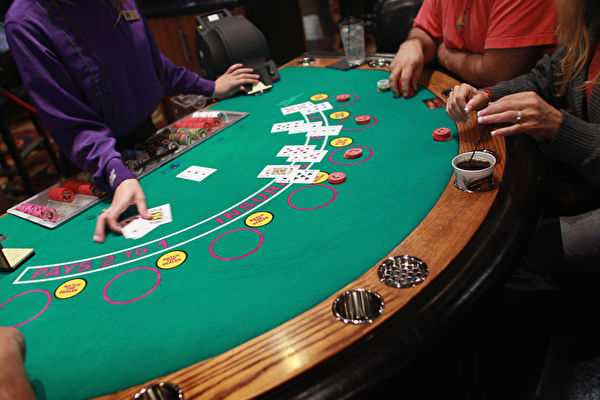
The environment in which gambling occurs significantly influences players’ choices, as casinos are designed to be immersive and enticing. The use of bright lights, engaging sounds, and strategically placed machines creates an atmosphere that encourages prolonged play. This sensory overload can lead to overstimulation, blurring the lines of rational thought and enhancing impulsive behavior. Gamblers may find it challenging to assess their spending and time, driven by the environment to make quick decisions that favor the house.
Social influences also play a crucial role in gambling behavior. Many individuals gamble in groups, which can create a sense of camaraderie and peer pressure. The desire to fit in or impress friends can lead to increased risk-taking and larger bets. This social dynamic can amplify individual choices, making people more prone to gambling than they might be on their own. The combination of environmental design and social factors underscores the complex web of influences that shape gambling decisions.
The emotional aspects of gambling behavior
Emotions are integral to the gambling experience, often driving players’ choices and behaviors. The excitement of winning can lead to a euphoric state, while losses may trigger feelings of frustration or despair. This emotional rollercoaster can create a compelling urge to gamble again, as individuals chase the high of previous wins. Moreover, the emotions associated with gambling can lead to unhealthy coping mechanisms, where individuals use gambling as a way to escape from stress or negative feelings in their lives.
It’s also important to recognize how these emotional fluctuations can create a cycle of behavior that is difficult to break. Gamblers may experience regret after losses but find it hard to resist the pull of potential future wins. This ongoing emotional engagement brings about a complex relationship with gambling, where players can oscillate between elation and disappointment, further complicating their decision-making processes.
Security and support measures in online gambling
As the world of gambling increasingly shifts to online platforms, understanding the psychological aspects behind gambling choices is crucial for ensuring safe and secure experiences. Websites specializing in security solutions for online gambling provide essential measures to protect users from potential cyber threats, ensuring that their emotional and psychological engagement with the platform remains positive and secure. By implementing advanced technologies to safeguard transactions and personal information, these platforms foster a safe environment for players.
Additionally, these websites offer guidance for individuals who may encounter access issues or need support. By prioritizing user experience and security, they empower gamblers to enjoy their activities with confidence, knowing that measures are in place to protect their interests. This blend of psychology and security can enhance user engagement, allowing individuals to navigate the online gambling landscape with greater peace of mind.
