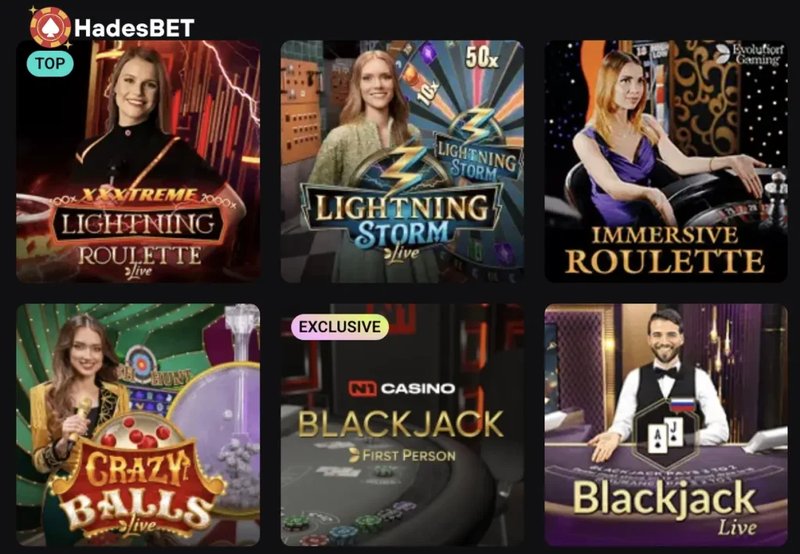
The ultimate guide to choosing the right casino games
septiembre 1, 2026Uttagstider på Expert Picks: Snabbhet och säkerhet i live casinon
septiembre 1, 2026When I first logged onto a text‑based MUD in 1992, the screen was black, the cursor blinking, and the only sound was the faint whir of my dial‑up modem. Fast forward to 2024, and a single click can launch a fully immersive, 4K, cloud‑hosted battle that reaches millions of viewers across the world. That leap in a little more than three decades is the story I’m going to tell you, point by point.
1. The Birth of the Internet and the First Games
In the mid‑80s, the ARPANET was still a research project. By 1991, the World Wide Web had just hit the public. The first online game that made a splash was Island of Kesmai, released in 1991, which sold 10,000 copies in its first year. It proved that people were willing to pay for a shared virtual experience over a network. That was the seed.
2. Bandwidth, Latency, and the Rise of Real‑Time Play
Dial‑up connections capped at 56 kbps made real‑time action impossible. The rollout of ADSL in the early 2000s, offering 8 Mbps downstream, changed the game. By 2005, the average latency for an online shooter dropped from 200 ms to under 50 ms, allowing competitive play to become viable. That technical shift is why titles like Counter‑Strike: Source could turn into esports tournaments.
3. Mobile Gaming: Pocket‑Sized Universes
Smartphones entered the market in 2007, but it wasn’t until 2011 that Angry Birds hit 10 million downloads in a single month. Mobile gaming now accounts for 60 % of the global gaming revenue, with casual titles generating $5 billion annually. The key factor? Touch controls and always‑on connectivity make it easy to drop in and out of a session.
4. Esports: From Niche to Mainstream
By 2016, the first official esports league in the United States, the League of Legends Championship Series, paid its top team $10 million in prize money. In 2023, the total prize pool for all major tournaments surpassed $100 million. The audience grew from a few thousand viewers to 600 million global streams per year, proving that competitive gaming can attract mainstream sponsors.
5. Streaming Platforms and Community Building
Platforms like Twitch, launched in 2011, now host over 30 million daily active users. The average viewer spends 2 hours per day watching streams, and 70 % of streamers have a community of at least 5 000 followers. Streaming has turned gamers into influencers, with top creators earning six‑figure salaries through sponsorships and ad revenue. If you’re looking for a place to unwind after a long day of work, you might find a stream that matches your taste—whether it’s a casual “Let’s Play” or a high‑stakes tournament. For those moments when you need a real‑world break, a quick detour to damlarestaurant.co.uk can offer a satisfying bite before you jump back into the game.
6. The Horizon: Cloud Gaming and Virtual Reality
Cloud platforms like Google Stadia and Xbox Cloud Gaming promise to deliver console‑grade titles at 60 fps over a 5 Gbps connection. Early trials show latency under 30 ms for 4K streaming, a threshold that could make competitive play feasible without a local rig. Meanwhile, VR headsets are shrinking in price, with the Meta Quest 3 priced at £299, making immersive play more accessible. The convergence of these technologies suggests a future where you can play a full‑featured game on a laptop, watch a live stream, and then switch to a VR session—all within the same ecosystem.

Conclusion: A Dynamic Landscape Worth Watching
From the first MUDs to today’s global streaming and cloud‑based ecosystems, online gaming has evolved from a niche pastime to a multi‑billion‑dollar industry. Each technological leap—bandwidth, mobile, streaming, cloud—has opened new avenues for players, creators, and investors alike. Whether you’re a casual player, a competitive athlete, or just a curious observer, the next wave of innovation is already on the horizon.